Health Data Analysis · ACAD 274
Women with Cancer
in Emergency Care
A data-driven look at female patients ages 30–55 admitted via Emergency with a cancer diagnosis and prescribed Paracetamol — and what the numbers reveal about billing, outcomes, and care patterns.
The Patient Data
All 10 patients share the same five filters: Female · Emergency admission · Cancer diagnosis · Age 30–55 · Prescribed Paracetamol. Here's a snapshot of their records and test outcomes.
| Name | Age | Blood Type | Test Results | Billing |
|---|---|---|---|---|
| beThaNY MoOrE | 55 | A+ | Normal | $10,300 |
| dEREK CARTER | 55 | O+ | Normal | $25,787 |
| jOSepH SelLeRs | 39 | O− | Abnormal | $45,913 |
| cyNthIA thOmAs | 44 | B+ | Inconclusive | $4,794 |
| aNgEla rANdOLph | 36 | O+ | Abnormal | $44,148 |
| DAVid mIraNDa | 48 | B+ | Abnormal | $34,934 |
| crYstAl simPSon | 37 | A+ | Inconclusive | $35,722 |
| amY kirK | 32 | AB+ | Normal | $32,385 |
| TaMMy Hall | 54 | O− | Abnormal | $1,474 |
| PatRiCia WriGht | 41 | A− | Inconclusive | $6,789 |
The Human Side of the Data
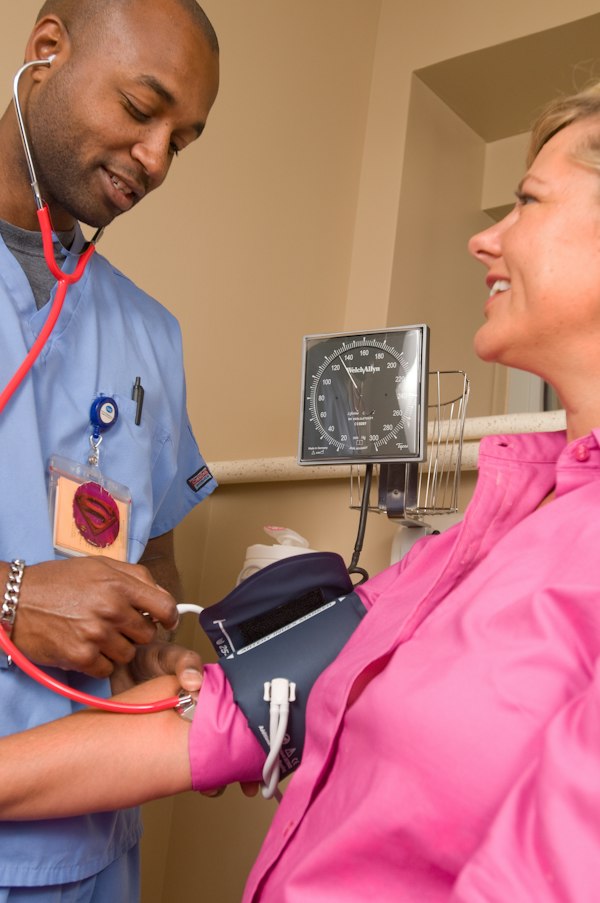
Behind every row in that table is a real patient navigating a cancer diagnosis through an emergency admission. Access, speed of care, and resources all shape outcomes.


Key Findings
Four takeaways emerge from analyzing this group of emergency cancer admissions.
Conclusion
Emergency Cancer Care Demands Closer Attention
Women ages 30–55 admitted to Emergency with cancer represent a high-cost, high-complexity patient group. With 70% returning non-Normal test results and billing ranging wildly, the data suggests that earlier intervention — before emergency-level care is needed — could improve outcomes and reduce costs significantly.